


Why Are Ad Networks Important?
Discover why ad networks are crucial for digital marketing success. Learn how ad networks connect advertisers with publishers, enable precise targeting, and max...
11 min read

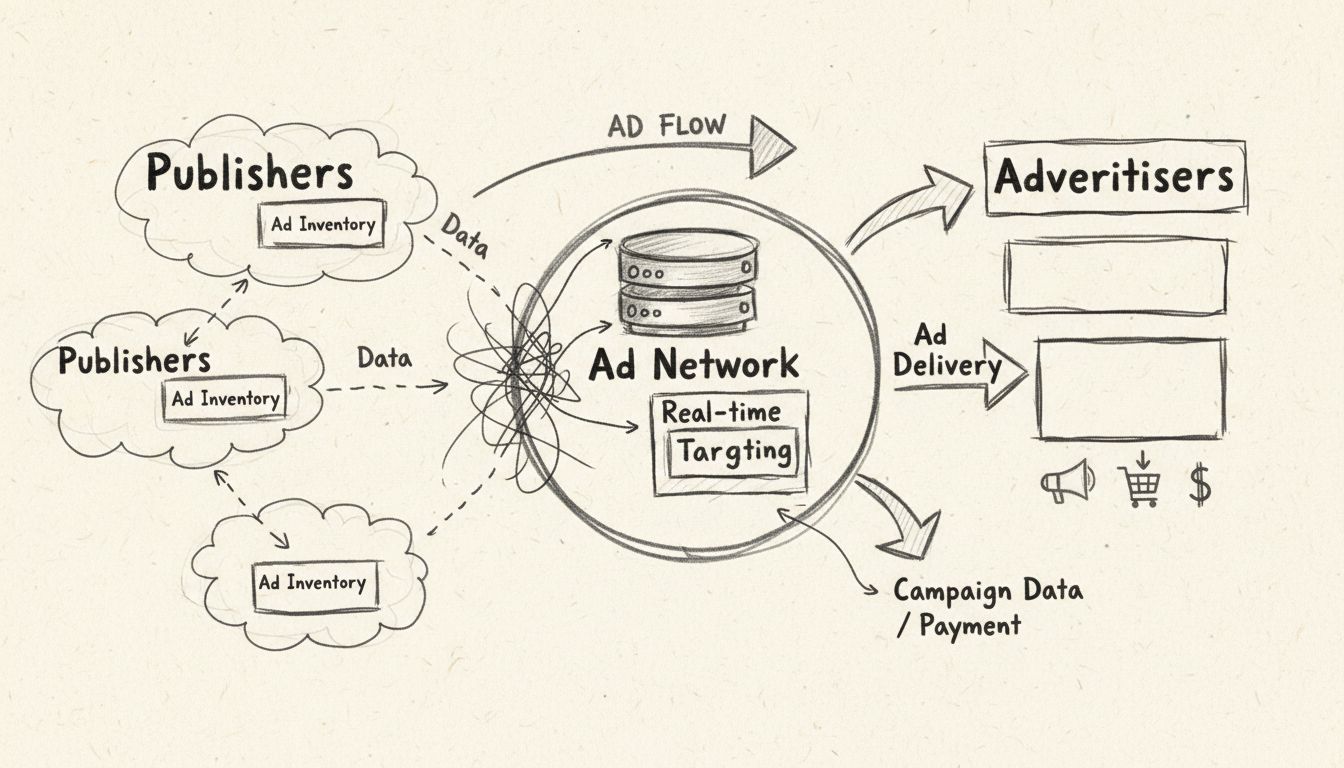
An ad network acts as an intermediary between advertisers and publishers, aggregating ad inventory and matching it with advertiser demand to streamline digital advertising.
An ad network is a digital platform that acts as an intermediary between advertisers and publishers. It aggregates advertising space (inventory) from various publishers and matches it with demand from advertisers, simplifying the buying and selling of digital ads. This intermediary role allows ad networks to facilitate transactions, optimizing the process for both parties involved.

Set up advanced tracking in minutes. No credit card required.
Ad networks hold significant importance in the digital advertising ecosystem for several reasons:
Be the first to know about new features and product updates.
Ad networks are crucial in affiliate marketing by providing:
Despite their advantages, ad networks present challenges:
Ad networks are increasingly integrating with programmatic advertising technologies, such as demand-side platforms (DSPs) and supply-side platforms (SSPs), to provide more automated and efficient ad buying processes. This integration offers:
Real-Time Optimization: Adjusting bids and targeting parameters on-the-fly to maximize ROI.
Enhanced Targeting: Leveraging data-driven insights for improved ad placement.

Discover how leveraging ad networks can optimize your campaigns, increase reach, and boost your revenue in affiliate marketing.
Discover why ad networks are crucial for digital marketing success. Learn how ad networks connect advertisers with publishers, enable precise targeting, and max...

Discover the different types of ad networks including vertical, blind, targeted, and mobile networks. Learn how each network type works and which is best for yo...
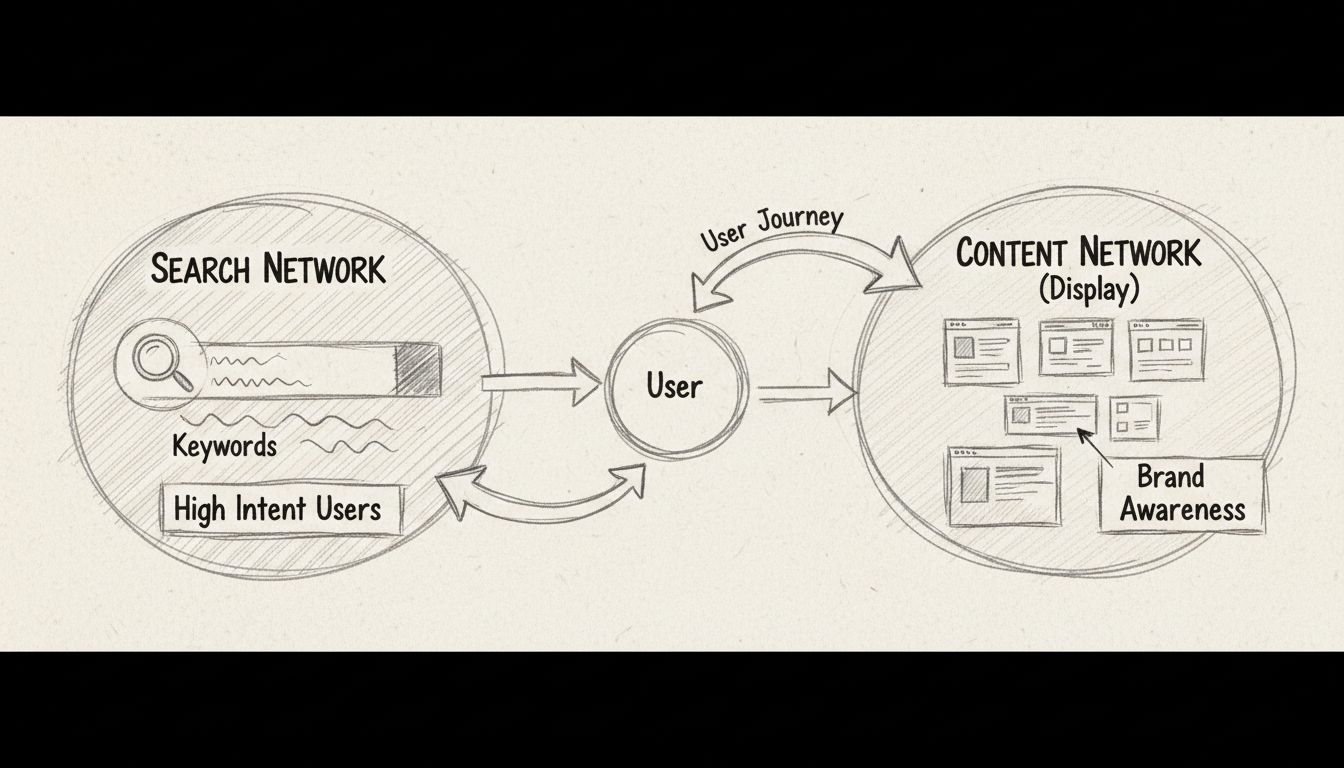
Understand the key differences between Google Search Network and Content Network (Display Network). Learn which network suits your advertising goals and how to ...
Join our community of happy clients and provide excellent customer support with Post Affiliate Pro.




Cookie Consent
We use cookies to enhance your browsing experience and analyze our traffic. See our privacy policy.