What is black hat SEO?
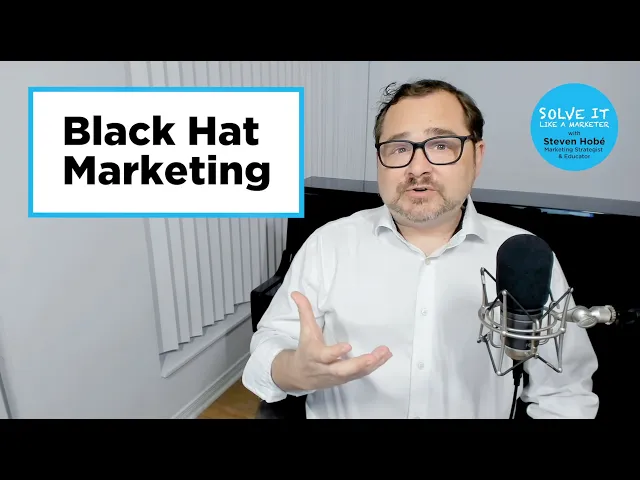
Black hat means aggressive SEO strategies and tactics. Black hat is also known as spamdexing, too. These strategies are used when someone needs quick earnings from a website. They concentrate on optimising a website for search engines and not for real people audience.
Black hat SEO technique contains hidden text and links, keyword stuffing, sneaky redirects, pages with malicious behavior like viruses, phishing or trojans and more. These strategies can raise a webpage’s ranking in the short run, but they are defined as disapproved tactics and can seriously harm a website’s reputation in the long term.
Black Hat SEO refers to a set of practices used to increase a website’s or page’s rank in search engines through means that violate the search engines’ terms of service. The term “black hat” distinguishes these unethical practices from “white hat” SEO, which adheres to the guidelines set forth by search engines like Google and Bing. Black hat techniques are often deceptive and designed to manipulate search engine algorithms rather than provide value to users.

Launch your affiliate program today
Set up advanced tracking in minutes. No credit card required.
Black Hat SEO Techniques
Understanding the specific tactics that fall under black hat SEO is crucial for anyone involved in digital marketing, including affiliate marketing and affiliate software. Here are some of the most common black hat SEO techniques:
Keyword Stuffing
Involves overloading a webpage with a high density of keywords to manipulate its ranking in search results. This disrupts the natural flow of content, making it less readable and valuable to users. Search engines like Google have become adept at detecting keyword stuffing, and websites employing this tactic can face penalties. Within affiliate marketing , keyword stuffing can severely damage credibility and user trust.
Cloaking
A deceptive technique where different content is shown to search engine crawlers than to users. For instance, a webpage might present keyword-rich content to search engines while displaying irrelevant content to users. This violation can lead to severe penalties, including being de-indexed from search results, which is especially damaging for affiliate sites relying on search visibility for traffic.
Link Farms and Private Blog Networks (PBNs)
Networks of websites created solely to increase the number of backlinks to a target site. These links are typically low-quality and irrelevant, aiming to artificially boost a site’s search ranking. Such practices can lead to a loss of trust and credibility, as well as penalties from search engines.
Invisible Text and Hidden Links
Involves hiding text or links on a webpage by making them the same color as the background. While users can’t see these elements, search engines can, which tricks them into ranking the page for certain keywords. Such practices are easily detectable by modern search engines and can result in penalties that affect an affiliate marketer ’s website visibility and revenue.
Content Duplication and Article Spinning
Content duplication involves copying content from other websites without permission, while article spinning uses software to rephrase existing articles to create “new” content. Both practices violate intellectual property rights and provide no original value to users. For affiliate marketers , unique and valuable content is key to attracting and retaining customers, making these practices counterproductive.
Paid Links
Buying or selling links to boost a site’s ranking is against search engine guidelines. Paid links are often low-quality and irrelevant, and search engines can detect unnatural link patterns. This tactic can lead to significant drops in search rankings, particularly harmful for affiliate marketers who depend on organic traffic.
Doorway Pages
Low-quality pages stuffed with keywords that redirect users to another site. These pages provide little to no value to users and are created solely to manipulate search engine rankings. Such practices can lead to penalties, affecting the affiliate site ’s ability to rank and attract traffic.
Automated Content Generation
Using software or AI to create large volumes of low-quality, keyword-stuffed content with minimal human oversight. This technique attempts to quickly populate a website with hundreds of pages targeting keyword combinations. The generated content lacks coherence and genuine value, violating search engine guidelines. Google’s helpful content update specifically targets this type of content that prioritizes ranking over user value.
Rich Snippet Abuse
Involves manipulating structured data to create misleading search results, such as falsely inflating review scores. This can severely damage trust and credibility, which are crucial for affiliate marketing success.
Negative SEO
Involves using black hat techniques to harm a competitor’s rankings rather than improve one’s own site. This can include pointing spammy links to a competitor’s site or hacking their content. While negative SEO is unethical and risky, it underscores the competitive nature of online markets, including affiliate marketing.
Image Mirroring
Involves flipping an image horizontally to create a version that appears unique to search engines. This black hat tactic might temporarily boost image rankings but poses risks of detection and penalty by search engines as they evolve.
Abuse of Structured Data
Misusing structured data by providing factually wrong information or creating fake sites. This abuse can mislead users and is commonly penalized when detected by search engines.
Location Manipulation
Exploiting geographic factors in search algorithms by falsely representing location data to gain unfair ranking advantages.
Black Hat vs. White Hat SEO: Comparison
| Aspect | Black Hat SEO | White Hat SEO |
|---|---|---|
| Compliance | Violates search engine guidelines | Follows all search engine guidelines |
| Timeline | Quick short-term results | Slower but sustainable long-term growth |
| Risk Level | High risk of penalties and deindexing | Minimal risk, builds long-term authority |
| User Experience | Prioritizes rankings over user value | Prioritizes user experience and value |
| Content Quality | Low-quality, manipulative content | High-quality, original, valuable content |
| Link Building | Artificial, purchased, or farmed links | Natural, earned backlinks from relevant sites |
| Sustainability | Unsustainable, penalties inevitable | Sustainable and builds lasting credibility |
| Search Engine Trust | Damages domain authority and trust | Builds domain authority and trust |
Join our newsletter
Be the first to know about new features and product updates.
Why Avoid Black Hat SEO?
Penalties and Bans
Engaging in black hat SEO can lead to penalties from search engines, such as being de-indexed, which removes the site from search results entirely. For affiliate marketers, this can mean a drastic drop in traffic and revenue.
Damage to Reputation
Using unethical SEO practices can damage a brand’s reputation. In affiliate marketing, where trust is paramount, such damage can lead to loss of partnerships and customer loyalty .
Legal Implications
Some black hat practices, like content scraping and buying links, can lead to legal issues, including lawsuits for copyright infringement. These legal challenges not only consume financial resources but also further tarnish a site’s reputation.
Short-Term Gains, Long-Term Losses
While black hat SEO might offer quick traffic boosts, these are not sustainable. Over time, the penalties and loss of trust outweigh any short-term benefits, making such tactics a poor choice for long-term business success.
Search Engine Penalties and Recovery
Search engine penalties come in two forms: manual penalties applied by Google’s review team and algorithmic penalties applied automatically by Google’s algorithms. Manual penalties are typically more severe and visible—you’ll receive a notification in Google Search Console explaining the violation. Algorithmic penalties are harder to detect because Google doesn’t notify you, but you’ll notice significant ranking drops for multiple keywords. Both types can devastate your organic traffic and require substantial effort to recover from.
Recovery requires identifying the specific violation, removing or fixing the problematic content or practices, and then requesting reconsideration (for manual penalties) or waiting for the next algorithm update (for algorithmic penalties). The recovery process can take weeks or months, during which your business loses organic traffic and revenue. This is why prevention is infinitely better than recovery—the time and resources required to recover from penalties far exceed the effort required to implement white hat SEO from the beginning.
Alternatives: White Hat SEO
White hat SEO practices adhere to search engine guidelines and focus on providing value to users. Key strategies include:
- Creating High-Quality Content: Focus on producing original, valuable content that meets the needs of your audience.
- Building Genuine Backlinks: Engage in legitimate outreach to earn backlinks from reputable sources.
- Improving Site Usability: Ensure your site is easy to navigate and provides a positive user experience .
White Hat SEO Alternatives by Tactic
| Black Hat Tactic | Risks | White Hat Alternative | Benefits |
|---|---|---|---|
| Keyword Stuffing | Penalties, poor UX, low rankings | Natural keyword integration | Better rankings, improved engagement |
| Hidden Text | Manual penalties, deindexing | Visible, quality content | User trust, compliance, accessibility |
| Cloaking | Complete deindexing, manual action | Consistent content for all users | Transparency, sustainable rankings |
| Doorway Pages | Ranking drops, manual penalties | Legitimate landing pages | User satisfaction, genuine conversions |
| Link Farms | Deindexing, link penalties | High-quality backlink building | Authority, sustainable growth |
| Automatically Generated Content | Content penalties, low rankings | Original, well-researched content | Expertise signals, better rankings |