Top Demand-Side Platforms (DSPs) for Programmatic Advertising
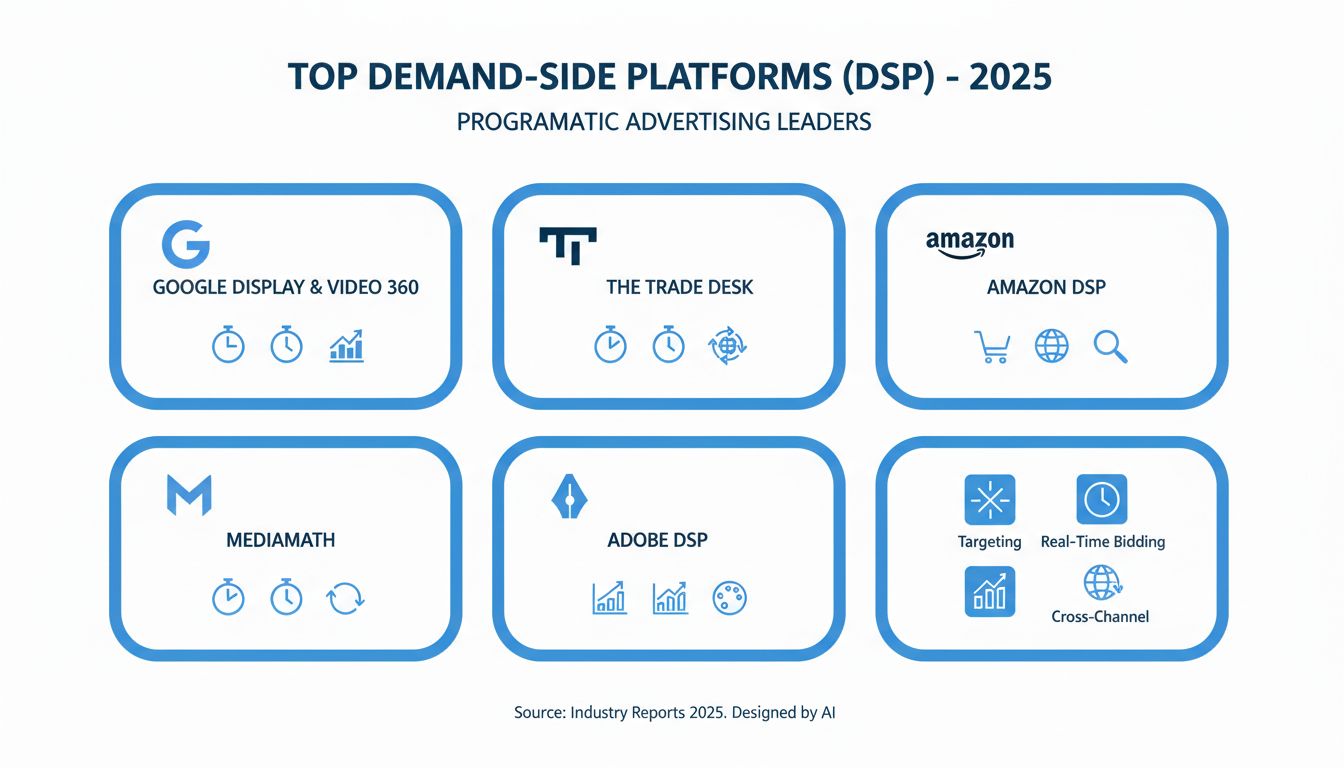
Discover the best demand-side platforms for programmatic advertising. Compare leading DSPs like Google Display & Video 360, The Trade Desk, Amazon DSP, and more...
11 min read
A Demand-Side Platform (DSP) automates the purchase of digital ads, streamlining campaign management and enabling precise audience targeting through real-time bidding.
A Demand-Side Platform (DSP) is a software solution that allows advertisers and advertising agencies to purchase digital ad inventory from various ad exchanges through a single interface. Utilizing real-time bidding (RTB) technology, DSPs automate the bidding and purchasing of ad space, streamlining the advertising process and enabling real-time campaign management. This automation not only simplifies the ad-buying process but also enhances the effectiveness of advertising strategies by ensuring precise audience targeting and efficient budget allocation.

Set up advanced tracking in minutes. No credit card required.
The operation of a DSP involves several crucial steps that facilitate the automated purchase of digital ad space:
DSPs come in various forms, each offering different levels of control and service:
Be the first to know about new features and product updates.
As the digital advertising landscape evolves, specialized DSPs have emerged to cater to specific ad formats and channels:
| DSP Automation Feature | Traditional Manual Process | Time Saved | Efficiency Gain |
|---|---|---|---|
| Real-time bidding | Manual bid placement per publisher | Hours per day | 90%+ |
| Campaign deployment | Individual publisher negotiations | Days to weeks | 85%+ |
| Budget allocation | Manual spreadsheet management | Hours per week | 80%+ |
| Performance adjustments | Manual analysis and updates | Hours per day | 75%+ |
| Inventory management | Manual inventory tracking | Hours per week | 70%+ |
An often-overlooked but critically important advantage of DSPs is their built-in brand safety and fraud prevention capabilities. DSPs implement sophisticated measures to protect advertisers from having their ads displayed in inappropriate contexts or on fraudulent inventory. These include brand safety filters that prevent ads from appearing on pages with objectionable content, fraud detection algorithms that identify and block suspicious traffic patterns, and verification mechanisms that ensure ads are displayed to real users. Many DSPs also integrate with third-party verification services for independent confirmation of ad placements, viewability, and audience quality. This focus on brand safety is essential in programmatic advertising, where the automated nature of ad buying creates opportunities for bad actors to exploit the system.
The importance of DSPs will continue to grow as the technology evolves. Emerging trends include the integration of artificial intelligence and machine learning for more intelligent bidding and optimization, the development of privacy-compliant targeting solutions that work within evolving data privacy regulations, and the expansion of DSP capabilities to cover new advertising formats and channels. As advertisers face increasing pressure to deliver better results with more efficient spending, DSPs will remain essential tools for managing and optimizing advertising campaigns.
In affiliate marketing , DSPs offer significant advantages for affiliates aiming to expand their reach and optimize campaigns. By leveraging DSPs, affiliates can access broader audiences, utilize advanced targeting capabilities, and manage advertising spend effectively. This integration facilitates more efficient promotion of affiliate offers across diverse digital platforms, enhancing the potential for conversions and revenue growth.
When selecting a DSP, consider the following factors:
Cost Structure: Evaluate the DSP’s pricing model, ensuring it aligns with your budget and offers transparency regarding fees and commissions. Understanding the cost implications helps in effective budget management.
User Interface: Ensure the DSP has an intuitive and user-friendly interface to simplify campaign management. A well-designed interface enhances the user experience and reduces the learning curve.
Targeting Capabilities: Look for a DSP that offers comprehensive targeting options to reach your desired audience effectively. The ability to target specific demographics and behavioral attributes is crucial for campaign success.
Integration with Ad Exchanges: Verify that the DSP provides access to the ad inventory you need to achieve your campaign goals. Broad integration ensures a wide reach and flexibility in campaign execution.
Performance Analytics: Choose a DSP with robust analytics and reporting tools to track and optimize campaign performance. Detailed insights are essential for making informed decisions and maximizing ROI.
Discover how Demand-Side Platforms can elevate your digital advertising by automating ad purchases, targeting the right audience, and maximizing your ROI.
Discover the best demand-side platforms for programmatic advertising. Compare leading DSPs like Google Display & Video 360, The Trade Desk, Amazon DSP, and more...
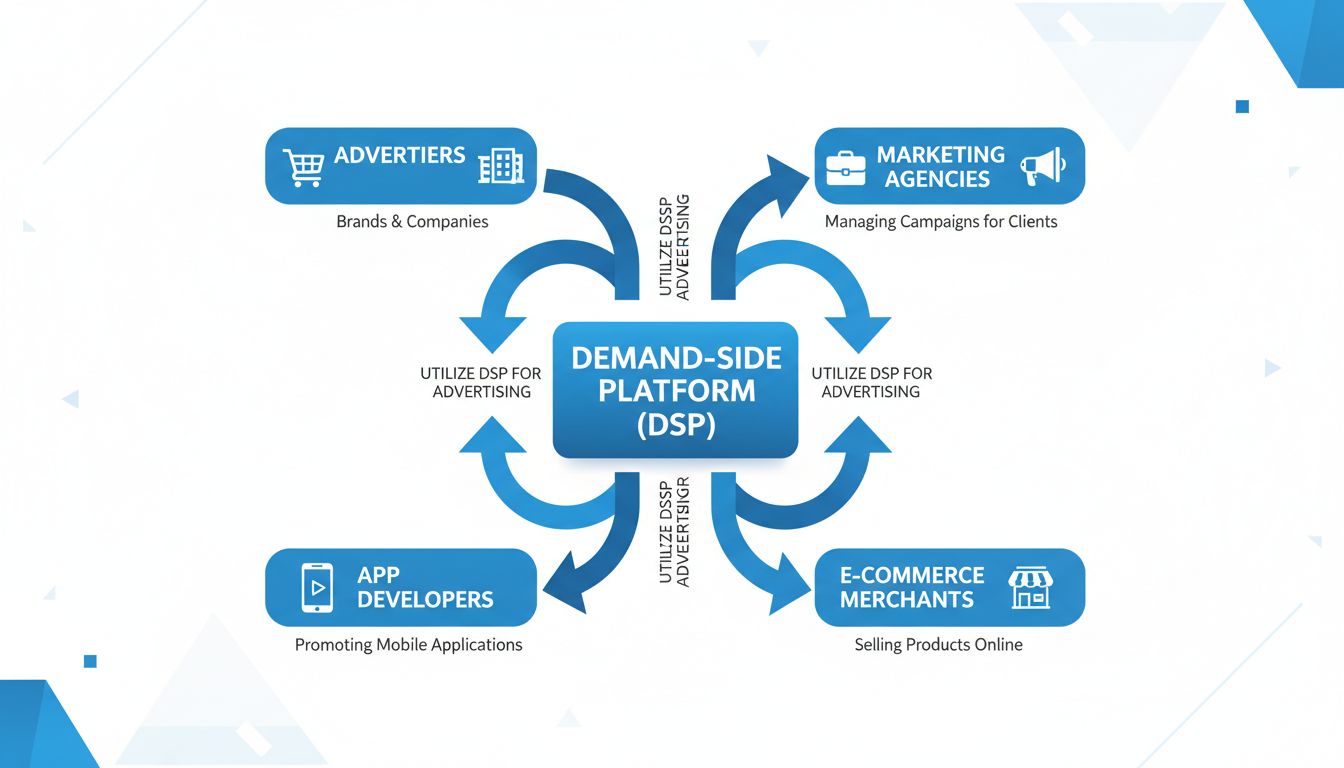
Discover who uses demand-side platforms in 2025. Learn how advertisers, agencies, merchants, and app developers leverage DSPs for programmatic advertising succe...
Join our community of happy clients and provide excellent customer support with Post Affiliate Pro.