


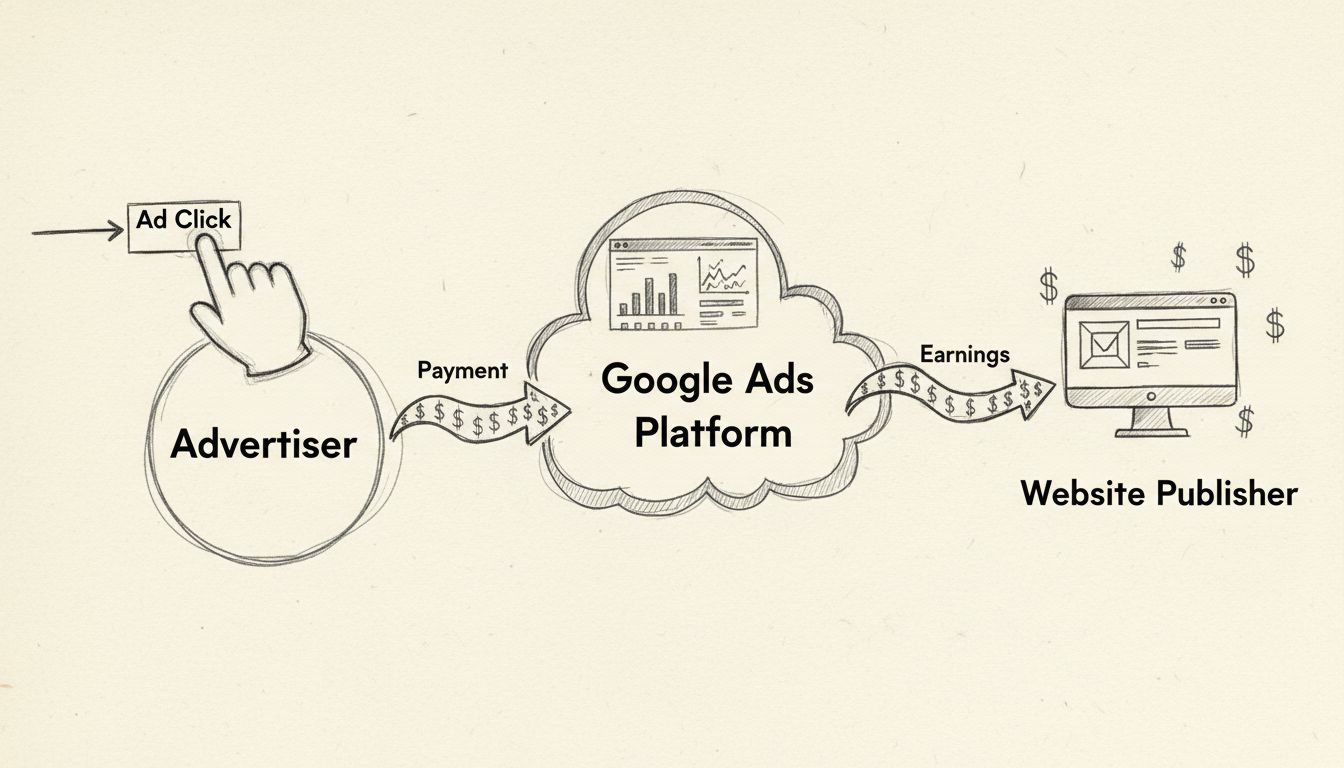
How Can I Earn from Pay-Per-Click? Complete Guide to PPC Earnings
Learn how to earn money from pay-per-click advertising. Discover PPC strategies, platforms, and proven methods to monetize your website with PostAffiliatePro.
13 min read

Pay Per Click (PPC) is a digital advertising model where advertisers pay for each click on their ads, playing a crucial role in affiliate marketing strategies by driving targeted traffic and measuring results.
Pay Per Click (PPC) is an online advertising model where advertisers pay a fee each time their ad is clicked. It serves as a method for buying visits to a website instead of earning them organically. PPC is a fundamental element of digital marketing, providing a structured approach for advertisers to reach their target audience efficiently. This model is predominantly associated with search engines like Google and Bing, where advertisers bid for ad placement in search results.
Furthermore, PPC extends to social media platforms and display networks, offering various ad formats to target specific user demographics and behaviors.

Set up advanced tracking in minutes. No credit card required.
In the realm of affiliate marketing , PPC is used as a strategic tool for affiliates to promote products or services and earn commissions based on user interactions with their ads. Affiliates play a key role in driving traffic to merchants’ websites, aiming for conversions such as sales or sign-ups. The process involves strategic keyword targeting, ad placement and bidding, ad creation and optimization, and performance tracking and analysis. Affiliates must manage their PPC budgets carefully, balancing advertising costs with potential commission earnings to ensure profitability.
Be the first to know about new features and product updates.
Google AdSense : Offers diverse ad formats and integrates with Google Analytics.
Compliance and Regulations : Adhere to advertising regulations and disclose affiliate relationships.
Competition and Costs : High costs for popular keywords require careful budget management.
Ad Fatigue : Continually refresh ad creatives to maintain engagement.
This guide is tailored for beginners, offering a comprehensive overview of PPC advertising, an essential tool in the affiliate marketer ’s toolkit. Let’s delve into the world of PPC and explore how it can significantly amplify your affiliate marketing efforts.
PPC advertising is a model where advertisers pay a fee each time their ad is clicked. Essentially, it’s a way of buying visits to your site, rather than attempting to earn those visits organically. PPC ads can lead to website visits, app downloads, phone calls, or even physical store visits. This flexibility makes it a powerful tool for promoting a wide range of affiliate products and services.
Consider a scenario where you’re an affiliate promoting golf clubs. By using PPC, when someone searches for “golf clubs” on Google, your ad appears at the top of the search results. If they click on your ad, you’re charged for that click, and the user is directed to your affiliate landing page .
Affiliates should consider starting with major platforms like Google Ads and Microsoft Advertising. These platforms provide extensive reach and robust targeting options. Once comfortable, affiliates can explore other platforms such as:
Each platform offers unique advantages, and diversifying ad channels can lead to broader audience reach and potentially higher conversions.
PPC advertising is a potent tool for affiliate marketers aiming to boost their online presence and drive more conversions. By understanding the basics and leveraging the right platforms, affiliates can effectively harness PPC to complement their marketing strategies. Ready to supercharge your affiliate marketing efforts with PPC? Start by setting up your first campaign today and watch your affiliate income grow!
Dive deeper into the world of PPC and affiliate marketing. Explore our affiliate software solutions to streamline your campaigns and maximize your returns!
Learn how to earn money from pay-per-click advertising. Discover PPC strategies, platforms, and proven methods to monetize your website with PostAffiliatePro.
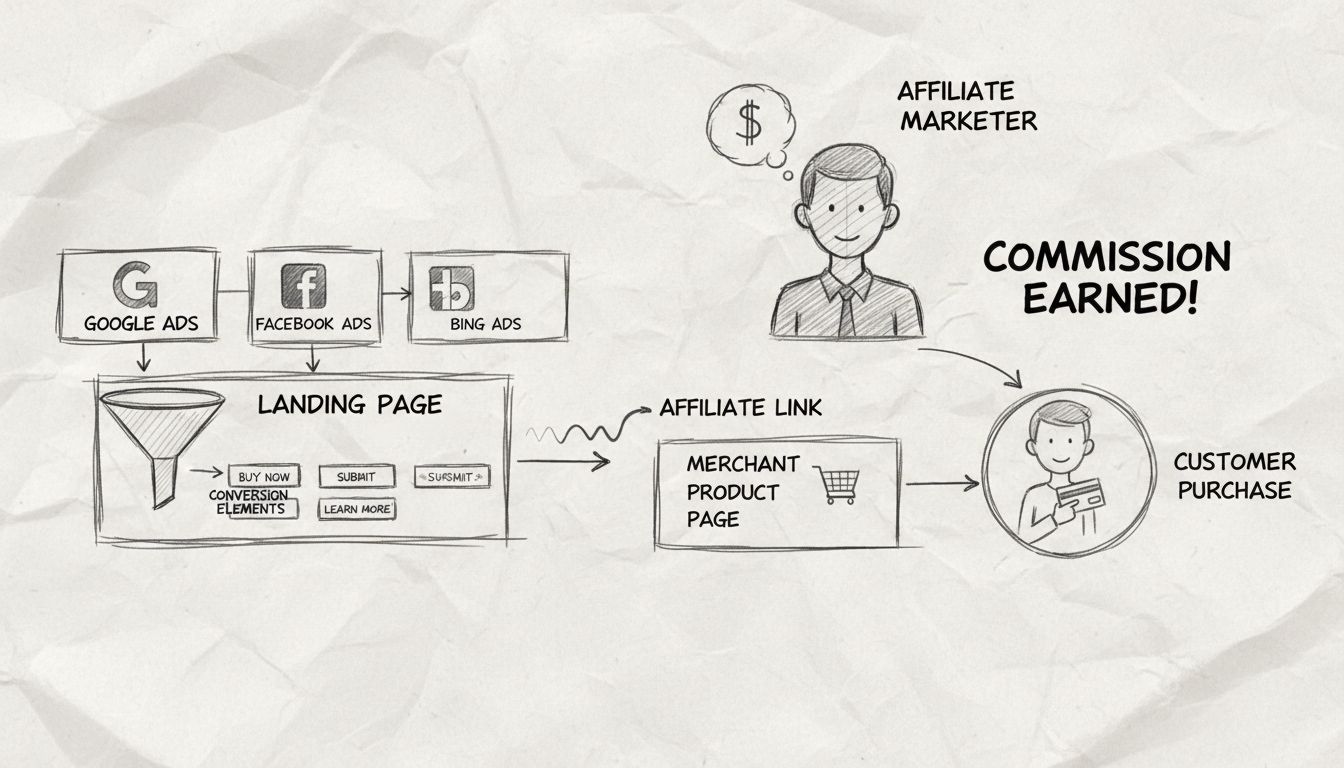
Learn how to do affiliate marketing with PPC in 2025. Master keyword research, landing pages, ad platforms, and proven strategies to maximize your affiliate ear...
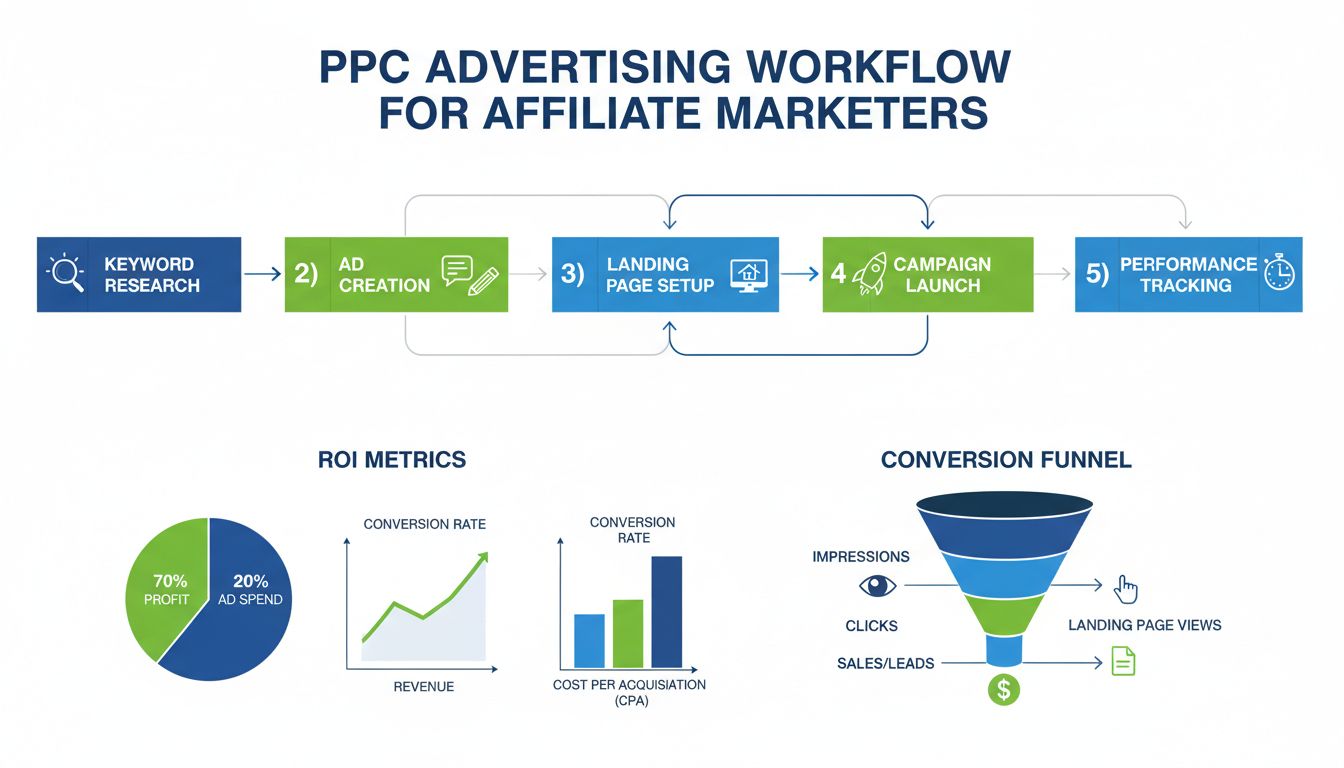
Discover if PPC advertising is right for your affiliate marketing strategy. Learn about benefits, challenges, and best practices for all niches in 2025.
Join our community of happy clients and provide excellent customer support with Post Affiliate Pro.




Cookie Consent
We use cookies to enhance your browsing experience and analyze our traffic. See our privacy policy.