


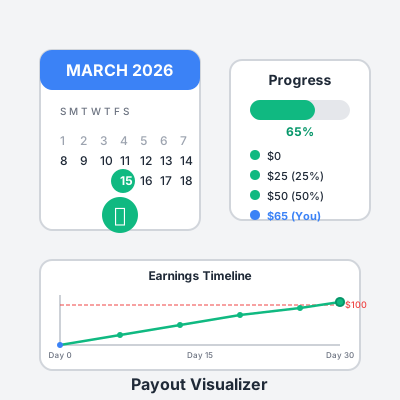
Affiliate Payout Threshold Calculator - Payment Timeline Visualizer
Calculate how long until you reach affiliate payout thresholds. Visualize your earnings timeline with support for different payment terms, commission rates, and...
2 min read

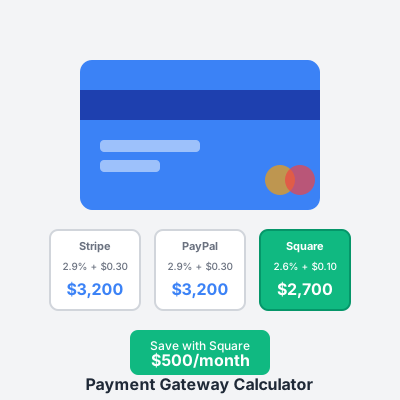
Compare payment processing fees across different gateways and calculate true costs. Analyze transaction fees, monthly charges, and total payment processing expenses to choose the most cost-effective solution for your business.
Transaction Fee Structure - Most payment gateways use a hybrid fee model combining percentage and fixed fees. The 2.9% + $0.30 structure means small transactions have disproportionately high effective rates. Example: $10 transaction pays $0.59 (5.9% effective rate), $100 transaction pays $3.20 (3.2% effective rate), $1,000 transaction pays $29.30 (2.93% effective rate). This structure incentivizes higher transaction values. Consider minimum purchase amounts or surcharges for small transactions to protect margins. The fixed fee component becomes negligible on large transactions, but devastating on micro-transactions.
Total Cost of Processing - Beyond visible transaction fees, hidden costs accumulate: monthly gateway fees ($0-50), monthly minimum processing fees (charge difference if you don’t hit threshold), PCI compliance fees ($5-15/month), statement fees ($5-15/month), batch fees ($0.10-0.25 per settlement), chargeback fees ($15-25 each), international transaction fees (extra 1-2%), currency conversion fees (1-3%), and early termination fees (if switching providers). Calculate total monthly cost: (Transaction Volume × Rate) + Fixed Fees + Per-Transaction Fees + Other Fees. This reveals true cost, which often runs 0.3-0.7% higher than advertised transaction rates.
Gateway vs. Merchant Account - Understanding the difference helps choose the right solution. Payment gateways (Stripe, Square, PayPal) offer all-in-one solutions with simple pricing, no setup fees, no long-term contracts, and approval in hours. They aggregate many merchants, giving you their negotiated rates. Merchant accounts (traditional processors) provide direct relationships with acquiring banks, potentially lower rates for high volume, more customization options, but complex pricing, setup fees ($100-500), monthly minimums, and annual contracts. Most businesses under $50K monthly processing benefit from gateways. Above $100K monthly, merchant accounts often save money despite complexity.
Volume-Based Negotiation - Processing fees are negotiable, especially with volume. At $10K/month, you have minimal leverage. At $50K/month, you can negotiate 0.1-0.2% rate reductions. At $250K+/month, significant negotiations possible - reducing rates by 0.3-0.5% or eliminating monthly fees. When negotiating: get multiple quotes, show competing offers, commit to minimum volume (if sustainable), and focus on total cost not just transaction rate. Don’t stay with a provider for years without renegotiating - processing is competitive and rates improve with volume growth.
Payment Method Mix - Different payment types have different costs. Debit cards: lowest interchange (0.05% + $0.22 is common). Credit cards: higher interchange (1.5-3%). Rewards cards: highest interchange (2-3%+). American Express: traditionally highest fees (now competitive with other cards for most processors). Bank transfers/ACH: low cost ($0.25-1.00 flat fee) but slower. Digital wallets: similar to card rates but improve conversion. Encourage lower-cost methods when practical - B2B businesses can incentivize ACH, subscription businesses can offer discounts for ACH over cards.
Multiple Gateway Strategy - Offering multiple payment options increases conversion 10-15% despite added complexity. Stripe + PayPal covers 95%+ of customers. Add digital wallets (Apple Pay, Google Pay) for mobile. Consider local payment methods for international markets (Alipay for China, iDEAL for Netherlands). Use a payment orchestration platform (Spreedly, Primer) to manage multiple gateways through one integration. Route transactions intelligently: high-value to lowest-fee gateway, suspicious transactions to gateway with better fraud detection, international to gateway with best foreign exchange rates. Sophistication pays at scale.
Risk Management - Fraud and chargebacks cost more than processing fees for some businesses. Invest in fraud prevention: address verification (AVS) reduces fraud 20-30%, CVV verification adds another layer, 3D Secure (3DS) shifts liability to issuer but may reduce conversion 5-10%, machine learning fraud detection (built into modern gateways) improves over time, and manual review for high-risk orders. Balance fraud prevention against friction - every additional verification step reduces conversion slightly. For digital goods and other fraud-prone categories, the trade-off strongly favors prevention. For low-fraud physical goods, minimize friction.
Qualify for lowest interchange rates by collecting and submitting all required data. For consumer cards: AVS and CVV verification qualify for best rates. For business cards (B2B): submit Level 2 data (tax amount, customer code) and Level 3 data (line item details) to qualify for commercial card interchange (1-2% lower rates). Most businesses ignore this, leaving money on the table. Configure your gateway to collect and submit this data automatically. For $100K monthly B2B processing, this could save $1,000-2,000/month.
Use different gateways for different purposes. Primary gateway (Stripe) handles most transactions with simple pricing. Secondary gateway (merchant account) processes high-value transactions at lower rates (break-even point typically $500-1,000 transaction). Backup gateway ensures redundancy if primary fails. Regional gateways handle international transactions with better local rates. This requires payment orchestration but dramatically reduces costs at scale. A $1M/month business could save $3K-5K/month through strategic gateway routing.
Pass processing fees to customers where legal (check state regulations). Credit card surcharges (2-4%) offset processing costs. Cash discount programs offer base price + surcharge, or discount for cash (legally distinct from surcharging). This shifts 100% of processing costs to card users. Drawbacks: may reduce conversion, feels negative to customers, complex compliance requirements. Works well in: B2B contexts (businesses understand), high-ticket items (fee feels proportional), or when competitors surcharge. Test impact on conversion before full rollout.
Recurring billing has unique considerations. Use gateways with strong subscription support (Stripe Billing, Braintree, Recurly). Benefits: lower fraud (recurring customers validated), reduced processing per-transaction labor, better cash flow forecasting. Tactics: offer annual prepay with discount (reduces processing fees by 12X - one charge instead of twelve), use account updater services (automatically update expired cards, reducing involuntary churn), implement dunning management (retry failed payments intelligently), and offer multiple payment methods per customer (fallback if primary fails).
Cross-border transactions incur extra fees but access larger markets. Considerations: currency conversion (1-3% fee typically), international card fees (extra 1-2%), higher fraud rates, and complex tax/VAT. Strategies: use multi-currency processing (price in local currency), establish local entities with local merchant accounts in major markets (eliminates international fees), or use global payment providers (Stripe, Adyen) with competitive international rates. For significant international sales (20%+ of revenue), local payment processing often justifies the complexity.
Some business types are considered high-risk: travel, adult, supplements, subscription boxes, or high-ticket items. High-risk accounts face: higher processing rates (3.5-5%+), rolling reserves (processor holds 5-10% of funds for 6 months), volume caps, and more chargebacks. Mitigation: work with specialized high-risk processors (Durango, Easy Pay Direct), maintain low chargeback rates (under 0.5%), build strong customer service, use clear billing descriptors, and provide detailed transaction documentation. High-risk designation is often negotiable as you demonstrate stability.
Mobile transactions need special consideration. Digital wallets (Apple Pay, Google Pay, Samsung Pay) dramatically improve mobile conversion (20-30% increase) by eliminating form entry. They also cost the same as card transactions but feel premium to users. Implement one-click checkout for returning customers. Optimize mobile payment forms with large buttons, minimal fields, autofill support, and device-specific keyboards. Mobile represents 60-70% of e-commerce traffic but often lower conversion - payment friction is the primary cause. Solving mobile payments solves a major conversion bottleneck.
Track payment metrics beyond just cost: authorization rate (percentage of payments approved - target 85-90%), false decline rate (legitimate payments rejected - should be under 3%), payment method mix, average transaction value by payment type, and cost per payment method. Use this data to optimize: route high-value transactions to lower-fee gateways, reduce false declines (often cost more in lost sales than fraud would cost), identify and fix authorization issues, and promote lowest-cost payment methods. Advanced analytics often reveal $1K-10K monthly optimization opportunities.
Tokenization stores payment methods as tokens instead of raw card numbers, improving security and enabling features. Benefits: reduced PCI scope (don’t store card data), enable one-click repeat purchases, support subscription management, and allow payment method updates without customer re-entry. Most modern gateways include tokenization. Use it for: subscription businesses (must have), repeat purchase businesses (highly recommended), and marketplaces (facilitates split payments). The conversion benefits often outweigh any marginal cost increases.
Switching gateways requires planning but often saves significant money. Migration checklist: compare total costs (transaction + all fees), test integration thoroughly (payment bugs lose revenue fast), migrate tokenized cards (if possible), maintain old gateway temporarily (handle refunds, disputes on old transactions), communicate clearly to customers (especially if payment experience changes), and monitor closely post-launch (authorization rates, error rates, customer complaints). Good migration typically pays back in 2-4 months through lower fees. Don’t stay with expensive providers due to switching inertia.
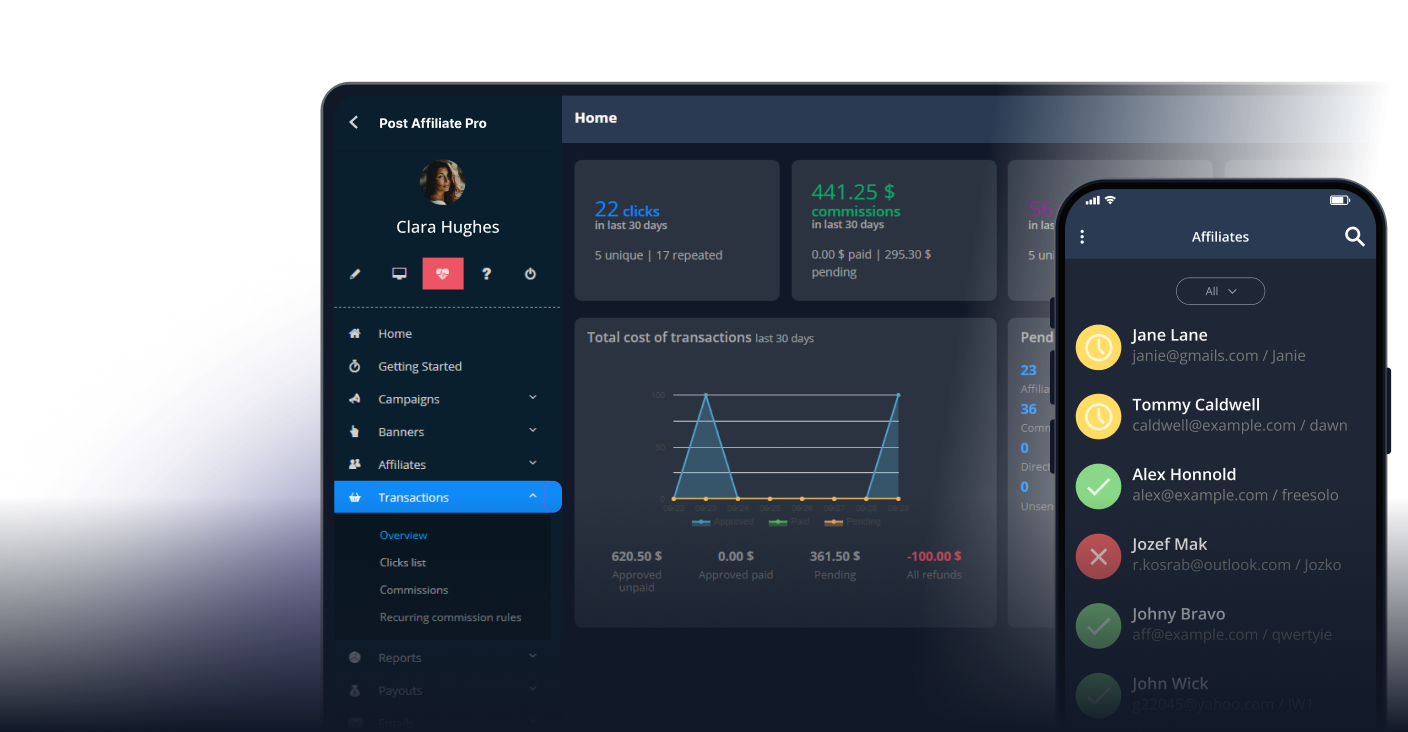
Manage multiple affiliate programs and improve your affiliate partner performance with Post Affiliate Pro.
Calculate how long until you reach affiliate payout thresholds. Visualize your earnings timeline with support for different payment terms, commission rates, and...

Explore the Performance Gate affiliate program, a software-focused platform connecting top-paying advertisers and quality publishers. Learn about its global rea...
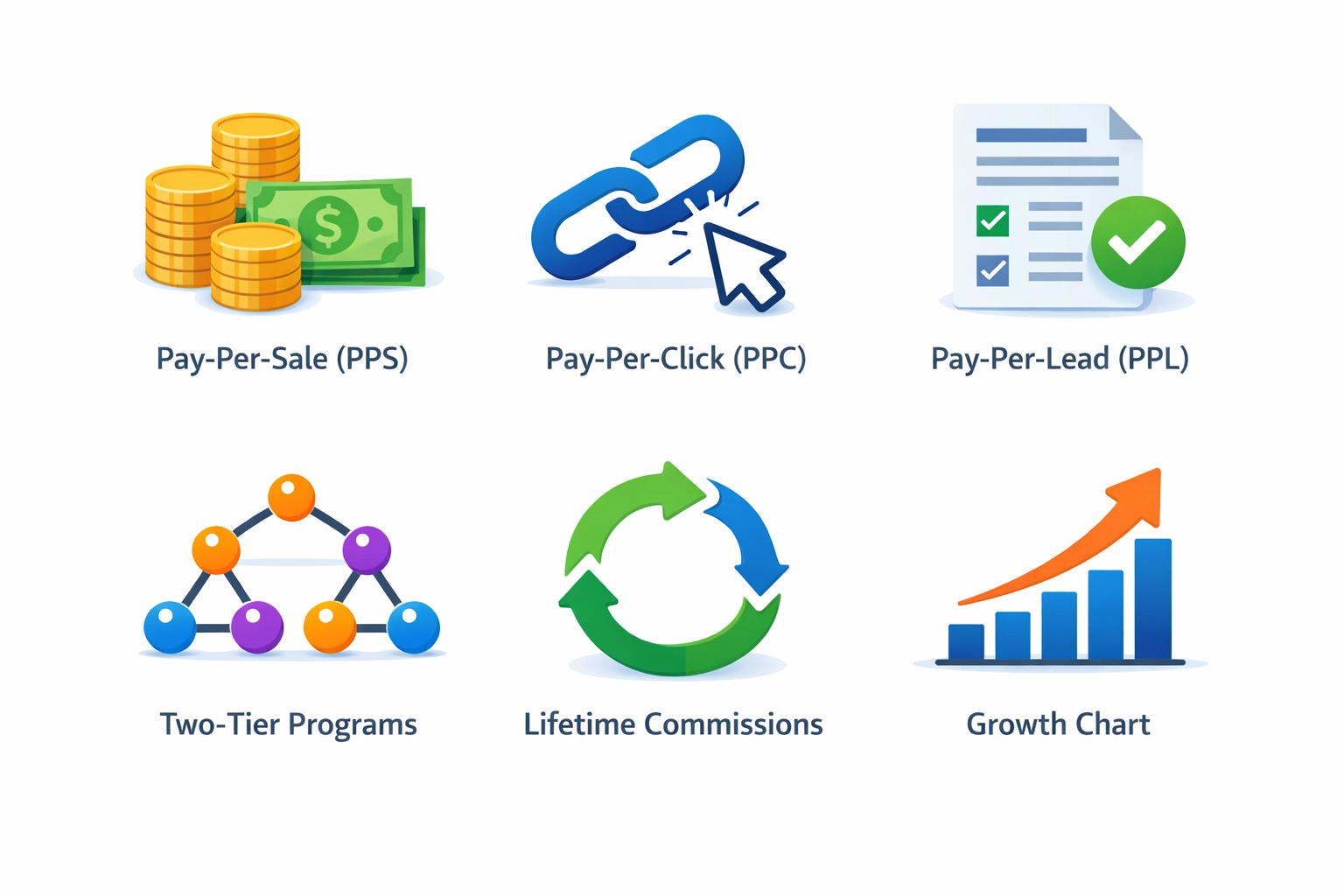
Explore the best affiliate payment models including PPC, PPL, PPS, two-tier programs, and lifetime commissions for your business.
Join our community of happy clients and provide excellent customer support with Post Affiliate Pro.



Cookie Consent
We use cookies to enhance your browsing experience and analyze our traffic. See our privacy policy.