


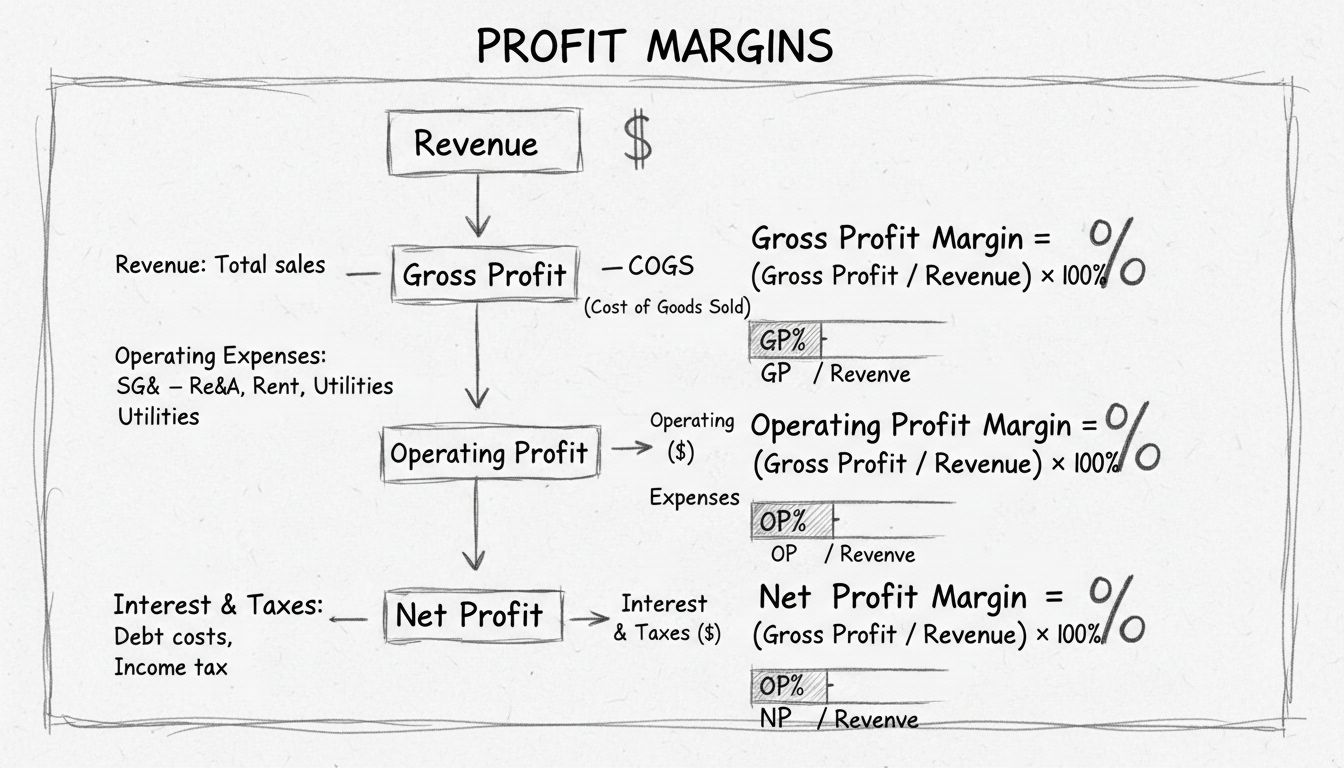
What Are the Main Types of Profit Margins?
Discover the three main types of profit margins: gross, operating, and net. Learn how to calculate each, understand industry benchmarks, and optimize your busin...
9 min read

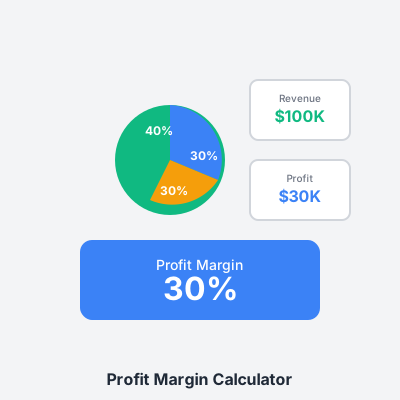
Calculate gross, net, and operating profit margins to understand business profitability, optimize pricing strategies, and make data-driven financial decisions. Compare all margin types simultaneously and analyze performance against industry benchmarks.
Gross Profit Margin measures the percentage of revenue remaining after subtracting the direct costs of producing your goods or services (COGS). It reveals production efficiency and pricing power. High gross margins indicate strong pricing or low production costs, providing more buffer for operating expenses and profit.
Operating Profit Margin shows the percentage of revenue left after covering COGS and operating expenses (salaries, rent, marketing, utilities). This metric reveals operational efficiency - how well you manage day-to-day business operations. It’s the margin most directly under management control through operational improvements.
Net Profit Margin is the bottom line - the percentage of revenue that becomes actual profit after all expenses including COGS, operating costs, interest, taxes, and other expenses. This is the ultimate profitability metric showing what percentage of every dollar of revenue you keep as profit.
Understanding profit margins is crucial for sustainable business growth. Gross margins determine how much cushion you have for operating expenses. Operating margins reveal operational efficiency and competitive positioning. Net margins show overall business health and return on investment. Tracking all three types helps identify exactly where profits are being lost or maximized.
For affiliate marketers, margin analysis helps select products and merchants to promote. Products with healthy margins indicate sustainable merchant businesses capable of maintaining competitive commission structures. Low-margin products may force merchants to reduce affiliate commissions during challenging periods or operate unsustainable business models.
Use margin calculations to inform pricing decisions. Calculate the minimum price needed to achieve target margins, test price increases by modeling margin impact, identify products with margin improvement opportunities, and justify price increases to customers by demonstrating value. Margin analysis reveals which products subsidize others in your product mix.
Compare your margins against industry standards to gauge competitiveness. Set realistic margin improvement targets based on current performance and industry benchmarks. Track margin trends over time to measure the impact of operational changes, pricing adjustments, and cost reduction initiatives. Establish margin thresholds for go/no-go decisions on new products or business initiatives.
Calculate margins for individual products or product categories to identify your profit drivers and loss leaders. Use this analysis to: discontinue or re-price unprofitable products, promote high-margin products more aggressively, bundle high and low margin products strategically, and negotiate better supplier terms for low-margin products. SKU-level margin analysis often reveals surprising insights about which products actually drive profitability.
Track how margins change over time to identify seasonal patterns, measure the impact of price changes, detect cost creep before it becomes critical, and validate the effectiveness of cost reduction initiatives. Month-over-month and year-over-year comparisons reveal whether margins are improving or deteriorating. Sudden margin drops often signal pricing pressure, rising costs, or operational inefficiencies requiring immediate attention.
Different customer segments often have dramatically different margins due to order size, support requirements, return rates, payment terms, and acquisition costs. Calculate margins by customer segment (B2B vs B2C, enterprise vs SMB, geographic regions) to identify the most profitable segments and allocate marketing resources accordingly. High-volume, low-margin segments may require automation or minimum order values to remain profitable.
Analyze margins across different sales channels - direct sales, retail partnerships, online marketplaces, affiliate networks, wholesale, and distributors. Each channel has unique cost structures, pricing constraints, and margin implications. This analysis helps optimize channel mix, negotiate better channel terms, identify opportunities to shift sales to higher-margin channels, and make informed decisions about channel expansion or contraction.
While you can’t know competitors’ exact margins, you can estimate them based on public pricing, industry reports, and standard cost structures. Competitive margin analysis helps you: identify competitors operating on unsustainable margins (often venture-funded), avoid destructive price wars when competitors have structural cost advantages, find opportunities where you have cost advantages enabling premium margins, and understand competitive pricing flexibility during market downturns.
Calculate the minimum margin required to cover fixed costs and break even. This critical metric determines: your absolute minimum pricing floor, how many units you must sell at current margins to break even, the impact of fixed cost changes on required margins, and feasibility of entering low-margin, high-volume markets. Understanding break-even margins prevents accepting unprofitable business disguised as “revenue growth.”
Develop a systematic approach to margin improvement: 1) Identify the 3-5 products with the largest gap between current and target margins, 2) For each product, list specific actions to improve margins (price increases, cost reductions, efficiency improvements), 3) Quantify expected margin improvement and implementation timeline, 4) Prioritize initiatives by impact vs. effort, 5) Implement, measure results, and iterate. Small margin improvements across many products compound into significant profitability gains.
When running affiliate programs, maintain healthy margins to ensure sustainable commission structures. Calculate effective margin after affiliate commissions to ensure profitability. Budget commission increases during high-margin periods to incentivize affiliates. Plan commission structures that align affiliate incentives with your most profitable products and customer segments. Transparent margin communication with top affiliates builds long-term partnerships - they want to promote products from financially healthy merchants.
Manage multiple affiliate programs and improve your affiliate partner performance with Post Affiliate Pro.
Discover the three main types of profit margins: gross, operating, and net. Learn how to calculate each, understand industry benchmarks, and optimize your busin...
Discover the essentials of profit margin, its types, calculation, and significance in affiliate marketing. Learn how to evaluate and improve your business profi...
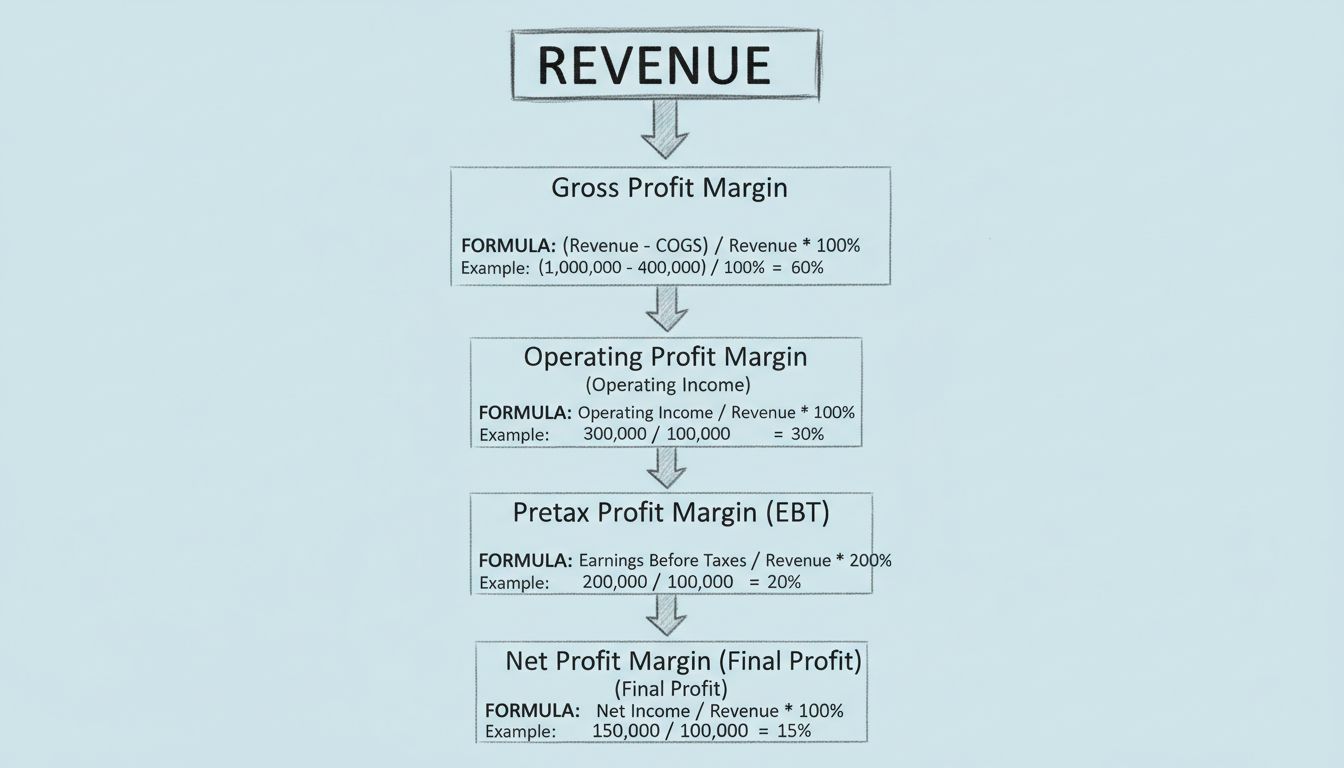
Learn what profit margin is, how to calculate gross, operating, and net profit margins, and discover proven strategies to improve your business profitability in...
Join our community of happy clients and provide excellent customer support with Post Affiliate Pro.




Cookie Consent
We use cookies to enhance your browsing experience and analyze our traffic. See our privacy policy.